Good communication is more than getting the message out. It means understanding the people receiving it, the intention behind it, and the names signing off on it.
My professional work has centered on that space—connecting people, leadership, programs, and information across public-service and military-connected environments. I’ve worked in public affairs, family readiness, training and leadership development, resource navigation, and community engagement, often in roles where communication wasn’t simply part of the work; it was the work.
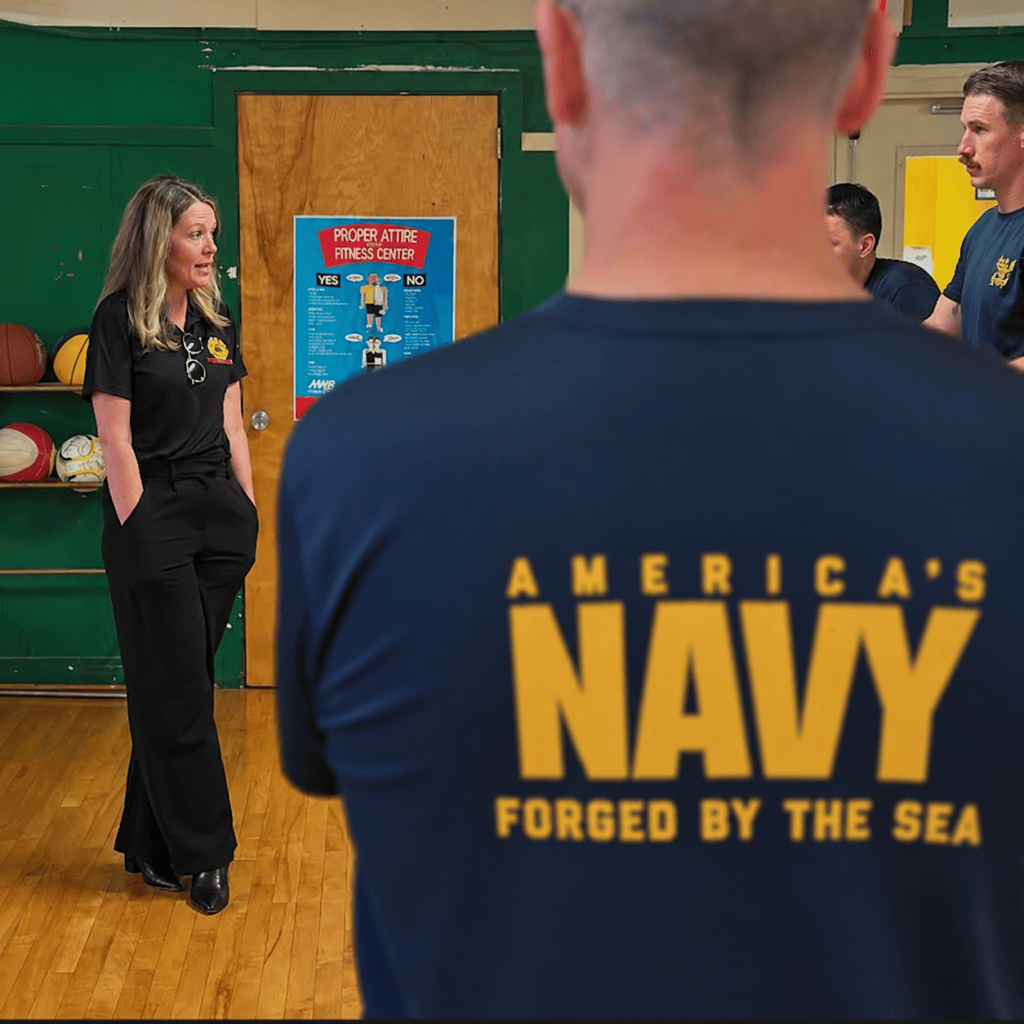
Communication in practice
Some of the most important communication work happens long before a press release. It happens in a briefing room, during a difficult conversation, while building a new program, or when someone needs an answer and doesn’t know where to begin looking for it.
My work has put me directly alongside service members and families, organizational leaders, employees, community partners, and senior stakeholders. That has meant translating complicated information, developing and delivering training, building programs and events, connecting people with resources, and creating communication that gives people something they can actually do with it… sometimes all at once.
Selected professional work
Building communication where it was needed
As Deployment Readiness Coordinator at the Chemical Biological Incident Response Force, I served as a direct connection between command leadership and service members and families—delivering briefings, answering questions, navigating resources, developing programming, and creating opportunities for the command community to connect with one another.
The work ranged from deployment and welcome-aboard briefings to developing the command’s first town hall, supporting prevention efforts, coordinating community and family programming, and translating leadership priorities into information and resources people could actually use.
Turning information into practice
At MCCS Camp Pendleton, my work focused on training and organizational development—helping employees and leaders move beyond simply receiving information to understanding what to do with it.
I facilitated and supported leadership and workforce development programs covering meaningful connection, performance coaching, difficult conversations, and organizational change, while also supporting onboarding, mandatory training, and the systems that kept employee development moving behind the scenes.
The consequence of good training should be obvious well after everyone has left the room.
From ambiguity to delivery
A recent assignment began with a deadline and very little else. I was asked to take over a four-part communications project for a program I had no prior experience with after the person originally assigned to the work went on leave. No work on the project had begun, there was no guidance or framework to refer to, and the deadline would arrive before they returned.
With only four days from assignment to due date, I had to build the context as I built the products—learning the program, determining what the audience needed, identifying and organizing the relevant information, making the editorial decisions, and carrying each piece through development and final design.
Four days. Four completed products accepted as submitted. Zero requested edits, adjustments, corrections, or missed deadlines.
 thekatiebjones